

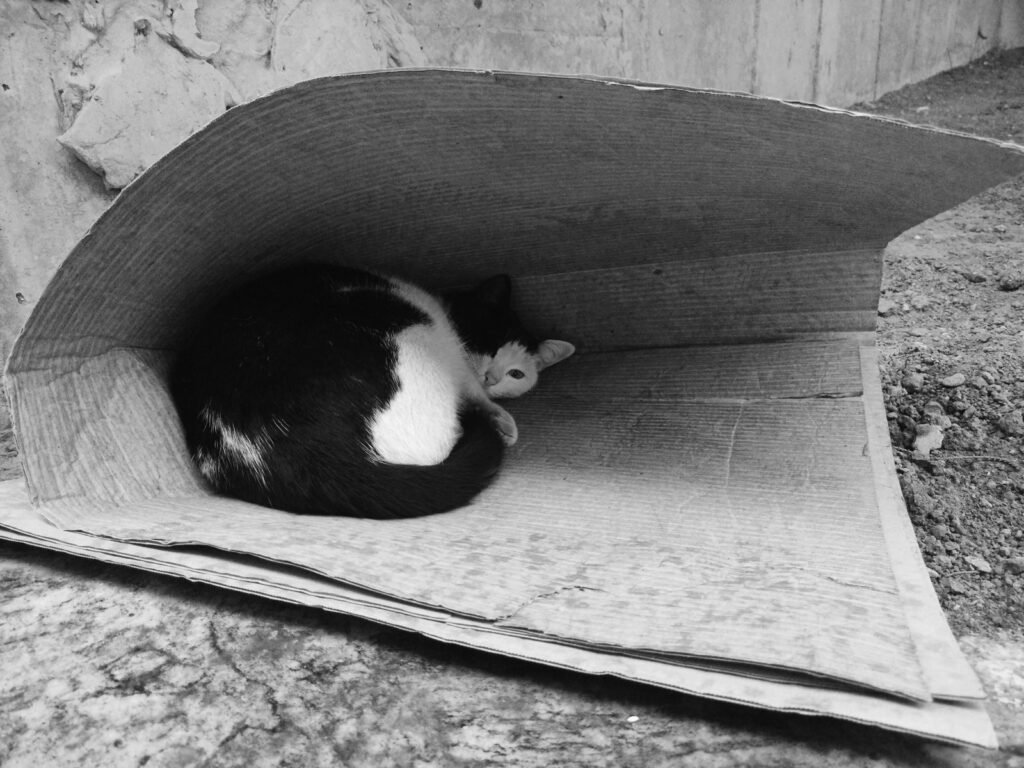
If you want the best cardboard cat scratchers for small apartments, look for a replaceable floor pad, wedge, or lounger, not for one product that tries to be a tree, a bed, and a scratcher at once. Cardboard scratchers are low, inexpensive compared with a tall post, easy to place beside a sofa or in a tight corner, and meant to be replaced when they shred. That is a different job from a sisal post or a wall-mounted scratcher. Cats are often drawn to the corrugated texture itself, which is why a plain sheet of cardboard can attract a cat even when it is not a finished product. In a small apartment that texture also comes with a mess: fine cardboard dust, loose flutes, and a pad that looks tidy for a week and then sheds. A good buy is one you will actually replace, and one whose tray or mat keeps most of that mess off the only rug in the room.
This is a buying guide for cat parents in the US and UK, not a ranked “top 10” list, and not a promise that any one pad will stop all furniture damage. You will not find invented test scores, prices, or model winners here. A good result is a scratcher the cat actually uses, in a spot that fits the floor, that you are willing to replace when it is spent.
Why cardboard is a different product from a post or a tree
A cardboard scratcher sits on the floor and offers a wide, shreddable surface. A sisal-wrapped post offers a vertical climb and a longer-lasting wrap. A cat tree adds height and rest spots. Wall-mounted boards save floor space, but they are a different install and a different article, and unpublished reserved guides should not be treated as live options here. If you already know you need height, start with cat scratching posts for small apartments or cat trees for small apartments, and use cardboard as a second, low surface rather than as a substitute.
Cardboard and sisal can coexist. Many cats like to scratch low before they nap, and high after a stretch. A pad beside the sofa does not make the post by the window useless, and a post does not make the pad a waste. The mistake is asking one shape to do everything, then deciding “scratchers do not work” when the cat still uses the sofa arm.
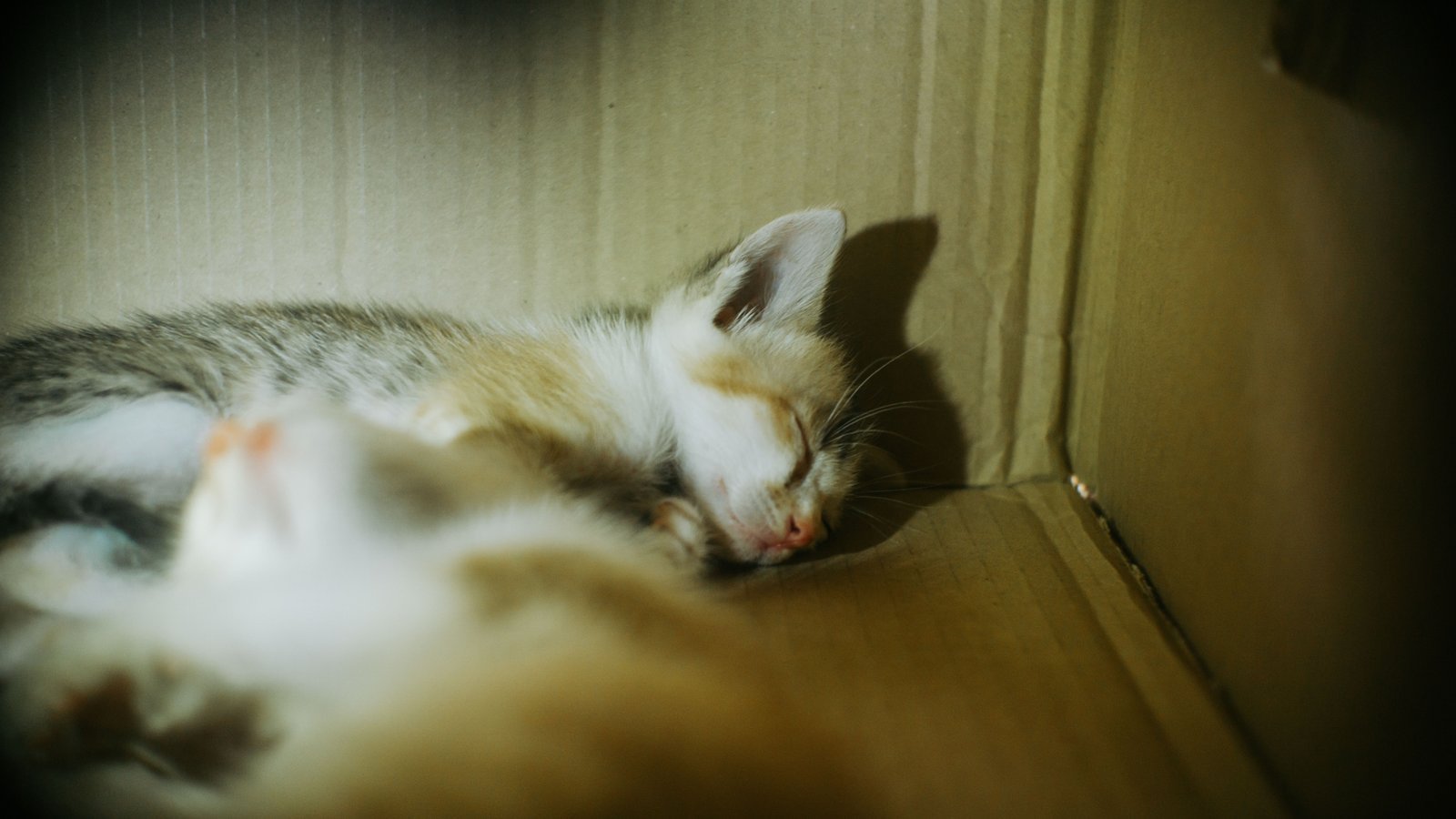
Choose a shape: pad, wedge, or lounger
A flat pad is the simplest: a rectangle of corrugated cardboard, sometimes in a shallow tray. It takes little height, slides under a coffee table or along a sofa, and is easy to replace. The tradeoff is that shreds can scatter unless the tray has a raised edge, and some cats would rather scratch at an angle than flat on the floor. If you already know the cat uses a long, horizontal rake on a rug, a wider pad is usually a better first try than a tiny square that looks neat in a catalog photo.
A wedge or incline gives that angle. Cats who already hook the front of a sofa or a stair can often transfer that motion to a ramp. In a small room, check that the high end still sits low enough that it does not become a tripping block in a walkway. A wedge also sheds cardboard, so a lip or a tray still helps.
A lounger is a wider, sometimes curved or reclined cardboard form that a cat can sit or lie in while scratching. It uses more floor than a slim pad, but it can do double duty as a rest spot in a studio where you do not want another bed and another scratcher in two corners. It is still a scratcher first. When the cardboard is shredded, you replace it; you do not try to “fluff” it back into a bed.
Skip the idea that one shape is always “the best” for every cat. Watch the motion the cat already uses. A cat who rakes the carpet in long horizontal strokes may like a wide pad. A cat who stands and pulls downward on a sofa corner may like a wedge. A cat who kneads and sprawls may try a lounger. If you can, choose a design that lets you replace only the cardboard insert, so the tray or frame can stay.
Size, floor space, and a raised edge for shreds
Fit the scratcher to the cat and to the floor. A large cat needs a pad long enough to stretch out a full rake without standing off the edge. A slim runner may look apartment-friendly in the shop and still be too short once the cat is on it. Measure the gap beside the sofa or under the table before you buy, including the extra width of a tray lip.
In a small apartment, a raised edge is not a luxury. Cardboard dust and shredded flutes travel, and they show on dark floors and light rugs. A shallow tray that contains the mess will save you from sweeping three times a day, as long as the lip is low enough that the cat still steps in. If the only pad that fits has no tray, plan to set it on a washable mat or a boot tray you already own, not on a pale rug you care about.
Think about stability too. A lightweight pad that slides when the cat leans in will be abandoned, or it will bump the wall and mark the paint. A non-slip back, a heavier base, or a tray that stays put on your actual floor (wood, vinyl, or rug) matters more than a decorative print on the cardboard. Do not nail a disposable pad to the floor in a rental if a heavier tray will do.

Place it next to the furniture the cat already likes
The best cardboard scratcher in the wrong corner will lose to the sofa the cat already uses. Put the pad, wedge, or lounger directly beside the target: the arm the cat rakes, the corner of the rug, or the doorframe they pass on the way to the window. A scratcher in the nice empty corner is easy to walk around. In a studio, that may mean accepting a pad in the living-room path, then tucking it tighter to the sofa once the cat has started using it. Two smaller pads, one by the sofa and one by the bed, can be easier than one large lounger that only covers a single spot.
This is not a rewrite of how to stop a cat from scratching furniture, how to stop a cat from scratching carpet and rugs, or how to stop a cat from scratching doors and doorframes. Those guides cover the wider behavior plan. This one only asks you to put the new surface where the old habit already lives. You can still use everyday cat-proofing to protect what you care about, but a cardboard pad works better as an easier option next to the target than as a distant substitute.
If the cat sleeps on a particular chair, a low pad beside that chair is a better first placement than a pad in the hallway. You can move it later if the cat starts using a second spot. Do not correct the cat by picking them up mid-scratch and dropping them on a pad they have never seen. Make the pad obvious, easy, and close.

Replace it when it shreds, and bag or recycle the used cardboard
Cardboard scratchers are consumable. Once the flutes are flattened, torn into deep trenches, or reduced to a dusty mat, the cat has less useful texture and may go back to the sofa. Replace the insert, or the whole pad, when the surface is spent rather than waiting until it is a pile of scraps. How often that happens depends on how many cats you have and how hard they rake. There is no honest monthly number that fits every home.
Used cardboard can usually be bagged for household recycling if it is clean and dry, or placed in the trash if it is too hair-matted or soiled. Shake loose litter and fur into the bin first so you are not sending a cloud of dust into a shared hallway. If the pad has a plastic tray or metal clips, take those off before you recycle the cardboard. Do not compost a scratcher that is full of litter and fur and call it a finished job. In a multi-cat home, expect the insert to wear faster, and do not wait for the last usable corner to disappear before you swap it. A spent surface is one of the most common reasons a cat returns to the sofa.
Keep a spare insert if you have room in a closet. A gap of several days with no usable scratcher is often when the sofa gets used again.
When a post, tree, bed, or hideaway is the better next buy
If the cat only scratches vertically, or wants to climb, a cardboard floor pad will not be enough. That is the moment to add a post or a tree, not to buy a larger lounger and hope. Wall-mounted shelves can add a high rest path, but they are not a cardboard scratcher and they will not replace one. If what the cat really wants is a soft place to sleep, look at cat beds for small apartments instead of forcing a shredded lounger to be furniture. If the cat wants a cave, cat tunnels and hideaways are the closer product, including some cardboard tunnels, which still wear out and still need to be replaced.
A good cardboard scratcher is allowed to be a modest, low, replaceable object. It does not have to end furniture scratching on its own, and it does not have to look like a piece of designer furniture. If the cat uses it, the shreds stay mostly in the tray, and you can replace it without rearranging the room, you chose well.
FAQ
Are cardboard cat scratchers a good choice in a small apartment?
Yes, if you want a low, replaceable surface that can sit beside a sofa or in a tight corner. They are a different product from a tall sisal post or a cat tree, and they work best when you are willing to replace them once the cardboard is spent.
What shape should I buy: a pad, a wedge, or a lounger?
Match the shape to the motion the cat already uses. A wide pad suits long horizontal rakes, a wedge suits a downward pull, and a lounger suits a cat who sprawls while scratching. In a tight home, also match the footprint to the floor beside the furniture the cat already targets.
How often should I replace a cardboard scratcher?
Replace it when the flutes are flattened, torn into deep trenches, or reduced to dusty scraps. There is no single monthly schedule that fits every cat. Keeping a spare insert helps you avoid a gap that sends the cat back to the sofa.
Can cardboard scratchers stop a cat from scratching the sofa?
They can give the cat an easier, legal surface, especially if you place the scratcher next to the furniture already being used. They are not a promise that all furniture damage will stop, and they work better as part of a wider plan than as a single miracle object.
What should I do with a used cardboard scratcher?
Take off any plastic tray or clips, shake out loose fur and litter, and recycle the clean, dry cardboard if your building accepts it, or bag it for the trash if it is too soiled. Do not leave a spent pad in place and hope the cat will keep using a flat, dusty surface.