

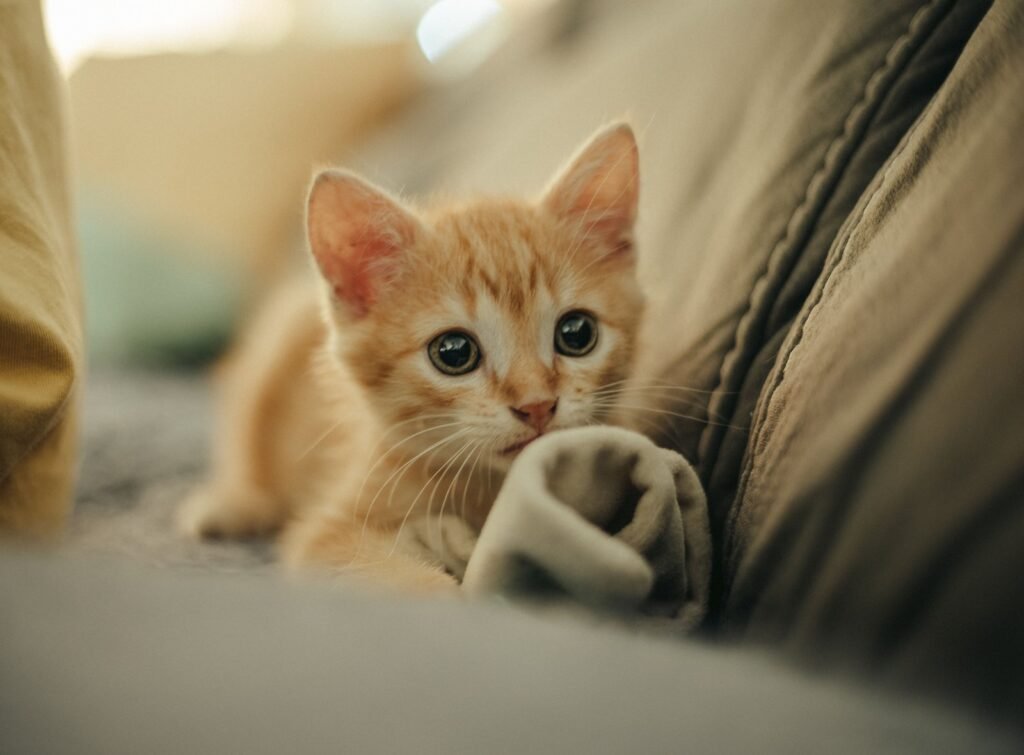
The best cat kicker toys for indoor cats are the ones a cat can grab with the front legs, roll onto, and bunny-kick with the back feet, not the ones with the most stuffing or the loudest crinkle. In a small apartment, a good kicker is long enough to hold, tough enough to survive a wrestle, and boring enough to put in a drawer when you leave the house. It is a toy category, not a personality test, and it is not a substitute for a wand session or a quiet evening toy.
This is general enrichment advice for cat parents in the US and UK, not a veterinary diagnosis and not a ranked review. You will not find brand names, prices, test scores, or a yearly roundup here. A couple of sturdy kickers, inspected for damage and rotated with other play, is enough. If your cat has a mouth injury, swallows toy stuffing, or plays so hard that you cannot safely interrupt, stop and talk with your veterinarian or a trainer who works with cats. A kicker cannot “fix” biting, boredom, or a cat who hunts ankles.
What a kicker toy is, and what it is not
A kicker is usually a long, soft, stuffed, or fabric toy. The cat holds one end with the front paws or teeth and kicks the other end. Some kickers are skinny “stick” shapes; some are plush fish, snakes, or tubes. The shared feature is that the cat can wrap around the toy and use the back legs, which is hard to do with a tiny mouse or a ball that rolls under the sofa.
A kicker is not a wand toy, even if the cat also bites the wand’s lure. Wand play is a chase-and-pounce session you run at the other end of a stick. If you want that, use the wand toys for indoor cats guide and keep the kicker for solo wrestle time. A kicker is also not a motion-activated floor gadget that skitters on its own. Those are a different job, covered in motion-activated cat toys. And a kicker is not automatically a quiet toy. Some kickers crinkle or rattle; if you have thin floors or a neighbor below, compare them with quiet cat toys for apartments and pick a kicker that does not announce every kick at 10 p.m.
Interactive puzzle toys and feeders belong in a third bucket. A kicker is a wrestle object, not a food puzzle. You can still rotate both; just do not expect one stuffed tube to replace puzzle feeders or a broader interactive toy setup.
Why indoor cats use them
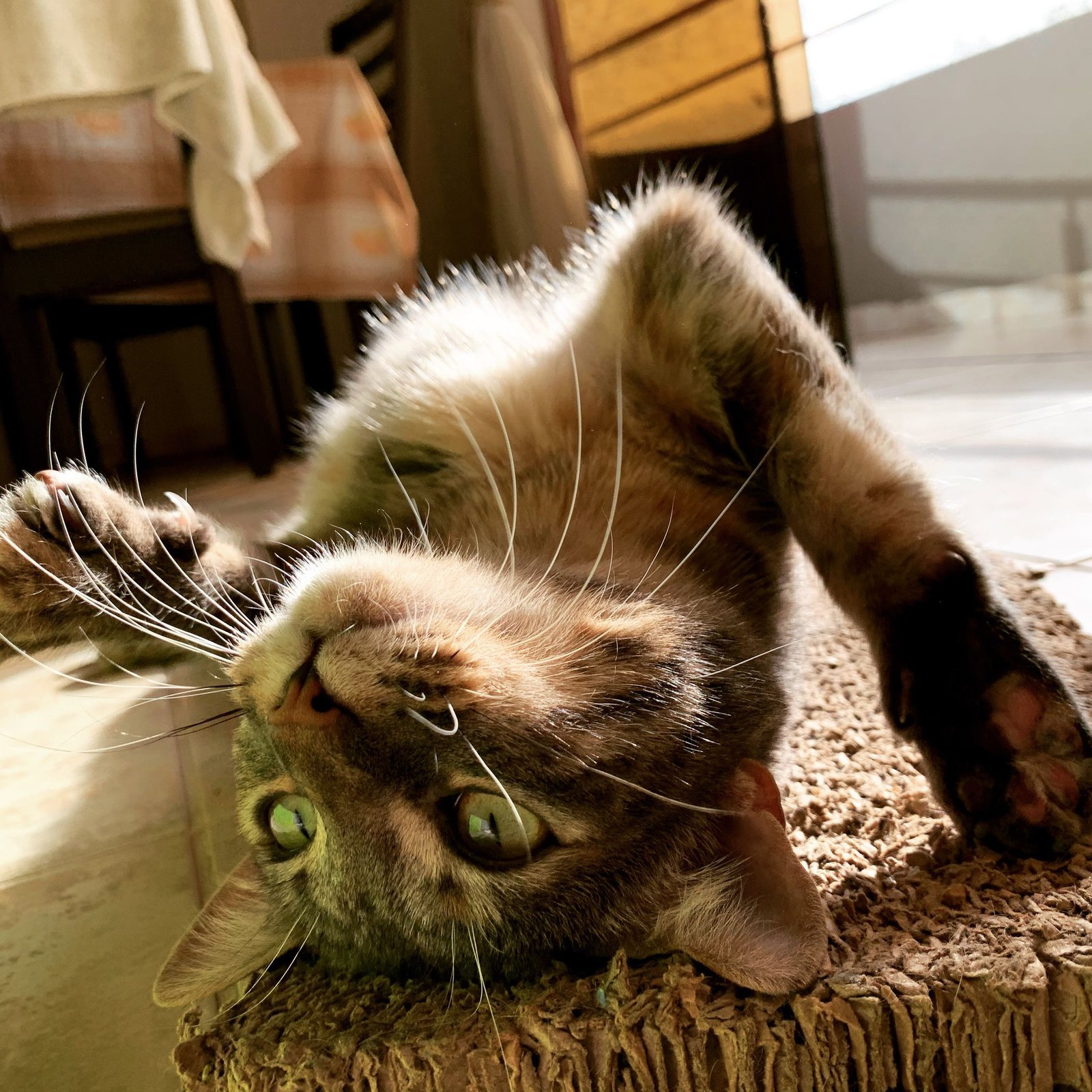
Indoor cats still have a hunting sequence: stalk, grab, kick, and sometimes carry the “prey” to a safe spot. A kicker gives that kick-and-wrestle step a legal target. That matters in an apartment where the other legal targets are your hands, the sofa corner, or a passing ankle. If ankle attacks are already a habit, a kicker is one tool, not the whole plan; use how to stop a cat attacking ankles and feet alongside a real play routine.
A kicker also helps when you cannot play with a wand every evening. It will not replace you. A daily play routine and a few indoor enrichment ideas still do more than a toy left on the floor all week. For days you are out, keeping an indoor cat busy while you are at work is about rotation, safety, and other outlets, not about leaving ten torn kickers in the hallway.
How to choose size and kickability
Start with the cat, not the packaging. A kicker should be long enough that the back feet hit the toy, not the floor, when the cat holds one end. For a large adult, a short mouse-shaped plush is often too small; the cat will kick past it or give up. For a kitten or a small adult, a huge, heavy kicker can be awkward to pin. If you can, pick a toy the cat can lift slightly and still wrap around.
Kickability also depends on firmness. A kicker that is stuffed like a stiff pillow is hard to bend. A kicker that is floppy as a sock may feel good for one session and then collapse. A medium, sausage-like shape is the usual compromise. Materials matter less than construction. Felt, canvas, and tightly sewn plush can all work if the seam holds and the toy still bends. A shiny satin cover may look neat on a shelf and then slide out of the cat’s grip. Some kickers include a pinch of catnip or a similar dried herb; some cats care, and many do not. Treat that as an optional extra, not as a reason to buy a weakly sewn toy. Avoid toys with long strings, bells on loose threads, or hanging ornaments the cat can swallow. A cat batting at a decoration is not the same as a cat using a kicker; those hanging bits are a chew hazard, not a wrestle toy.
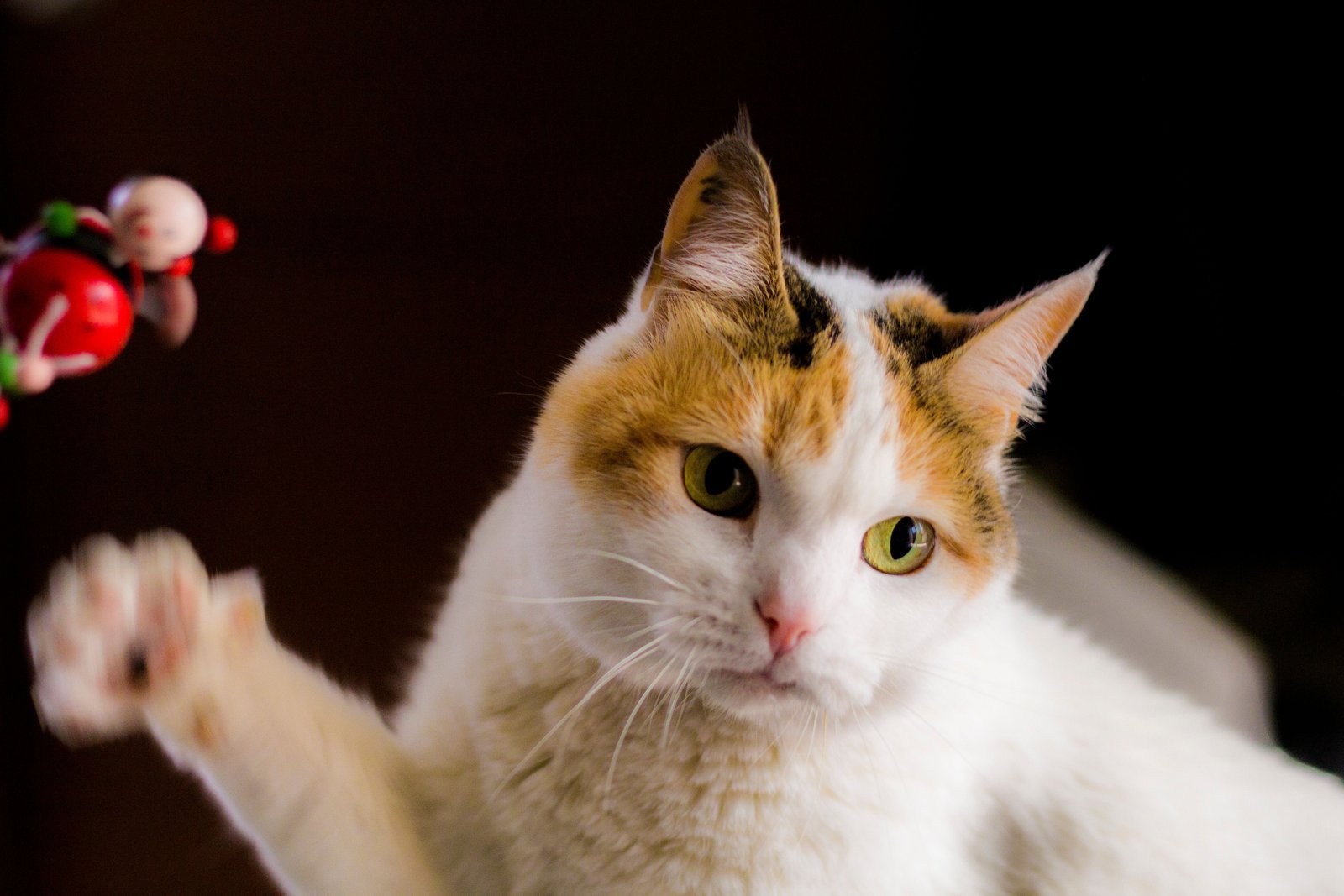
A short wrestle session is often enough. Offer the kicker, let the cat grab and kick for a few minutes, then end the play while the cat still wants the toy, not after the cat has gone over threshold and started hunting your hands. If the cat carries the kicker to another room, that is normal; follow the “prey” only if you need to keep it off a balcony or out of a trash can.
If the cat already loves tunnels, a tree, or a scratcher, keep those in the mix. A kicker does not replace a cat tree, a scratching post, or a tunnel or hideaway. Those give climbing, scratching, and hiding. The kicker is for the wrestle.
Stuffing, seams, and a small room
In a studio or a one-bedroom, exploded stuffing travels. It gets into the rug, the hallway, and sometimes a cat’s mouth. Look for tight seams, a cover you can inspect, and stuffing that is not easy to pull out in clumps. Some kickers are unstuffed fabric tubes or felt rolls; those can be easier to clean up if they wear out, as long as the cat still wants to kick them.
Skip toys with glitter, plastic eyes that pop off, or weak neck joints on a “fish” or “critter” shape. If you can pull a seam apart with your fingers in the store, a determined cat will do it in a week. A small room also means you will hear and see the mess sooner, which is a plus: retire the toy before the stuffing becomes a snack.
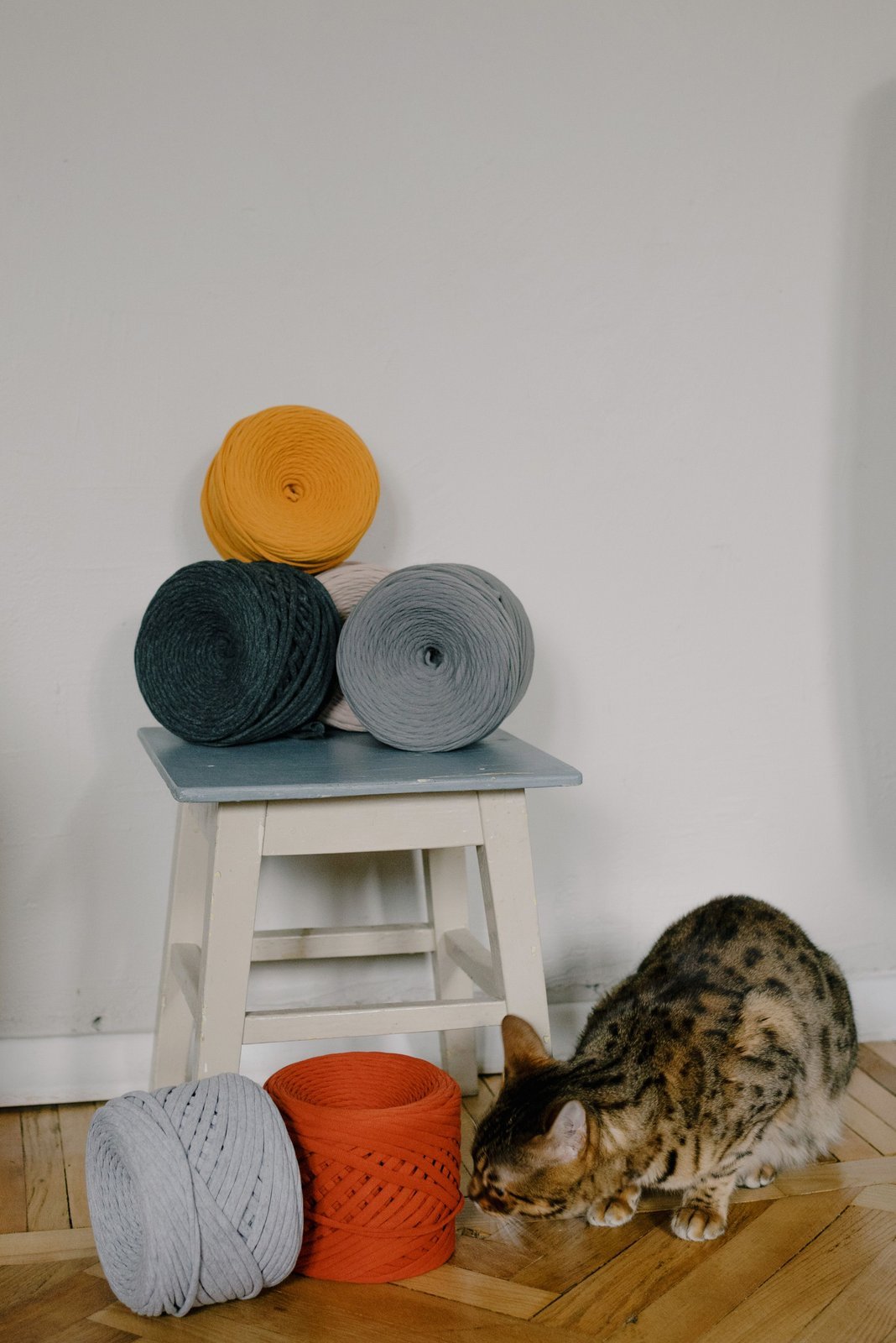
Loose yarn, thread, and craft rolls are a poor stand-in for a kicker. A cat may bat at them, then chew and swallow a strand. If you knit or keep yarn in the same room, put it away. A kicker should be a finished toy with no long, loose fiber the cat can unwind.
When to retire a torn toy
Retire a kicker when the seam splits, stuffing shows, a squeaker or crinkle piece is exposed, or a hanging bit can come off in the mouth. Do not “just stitch it later” and leave the torn toy on the floor overnight. A cat will often work at the weak spot.
If play turns mouthy and you cannot interrupt without getting bitten, end the session and put the toy away. Hands are not a kicker. The guide on stopping a cat biting during play is the better next read if the wrestle is spilling onto your arms. A torn kicker can also raise that heat because the cat is already in a hard kick-and-bite pattern.
When you throw a toy out, throw out the stuffing too. A handful of fill left in a bin is still interesting to a cat who dumps the trash.
Rotate and put away
A kicker left out all week becomes furniture. Keep one out, keep one in a closet, and swap them a few times a week. Put kickers away when you leave if your cat shreds unsupervised, or if you have a dog in the same home who will unpack the stuffing. Rotation also keeps the “new toy” effect without buying a new kicker every month.
You do not need a large collection. Two or three kickers in decent shape, plus a wand for interactive play and a quiet toy for late evenings, is a solid apartment set. Put the kicker in a drawer or a high bin; do not toss it into a pile of other toys the cat has already ignored.
In a multi-cat home, watch for resource guarding around a favorite kicker. It can help to have one kicker per cat, and to start play in separate spots if one cat always steals the toy. If you also share the home with a dog, do not leave a stuffed kicker on the floor as a dog chew. A dog can open a seam faster than a cat, and the leftover stuffing is a problem for both animals. Store kickers up high or behind a door the dog cannot open.
A good-enough kicker setup
A good-enough setup is modest. You have at least one kicker long enough for your cat to pin and kick, you inspect the seams, and you put the toy away when it tears or when play is over. You do not leave yarn, hanging decorations, or a bursting plush as the only options, and you do not expect a kicker to replace climbing, scratching, or a session you actually play together. After a hard wrestle, many cats want a quiet place to sleep it off. That is a sign the toy did its job, not a sign you need a more exciting one.
If your cat ignores kickers, try a different length or a less stuffed shape before you decide the category is a miss. Drag the toy slowly along the floor once or twice to start the hunt, then let go so the cat can pin it. Do not shake a kicker in the cat’s face or use your hand inside a sock as a stand-in; that teaches the wrong target. Some cats never become “kicker cats,” and that is fine. Older cats or cats with sore mouths may prefer a softer, lighter toy, or they may want the wand more than the wrestle. Offer the wrestle toy, keep the other enrichment, and do not force a play style the cat does not want.
FAQ
What is a cat kicker toy?
It is a long, soft toy a cat can grab with the front legs and bunny-kick with the back feet. Many are stuffed tubes, plush fish, or fabric sticks. A tiny mouse, a wand lure, or a rolling ball can be a good toy, but it is usually not a kicker.
Are kicker toys safe for indoor cats in a small apartment?
They can be, if you choose tight seams, skip loose strings and bits that can come off, and retire the toy when stuffing shows. In a small room, inspect often, because a torn kicker makes a mess quickly and the stuffing can be swallowed. Unsupervised shredders should not have a damaged kicker left out.
How big should a kicker toy be?
Long enough that the cat can hold one end and still kick the toy, not the floor. A very short plush is often too small for a large adult. A huge, heavy kicker can be awkward for a kitten or a small cat. If the cat can wrap around it and lift it slightly, the size is in a reasonable range.
How often should I replace a kicker toy?
Replace it when a seam splits, stuffing or a crinkle piece is exposed, or a part can come off in the mouth. There is no set calendar. A well-made kicker that is put away between sessions may last a long time; a toy left out to be shredded may need to come out of rotation after a few hard weeks.
Do indoor cats need kicker toys if they already have a wand?
A wand and a kicker do different jobs. The wand is a chase-and-pounce session you run. The kicker is a wrestle object the cat can use with all four feet, sometimes without you. Many indoor cats benefit from both, but a cat who ignores kickers can still have a good play life with a wand, a tree, and a daily routine.